
01/01/2026




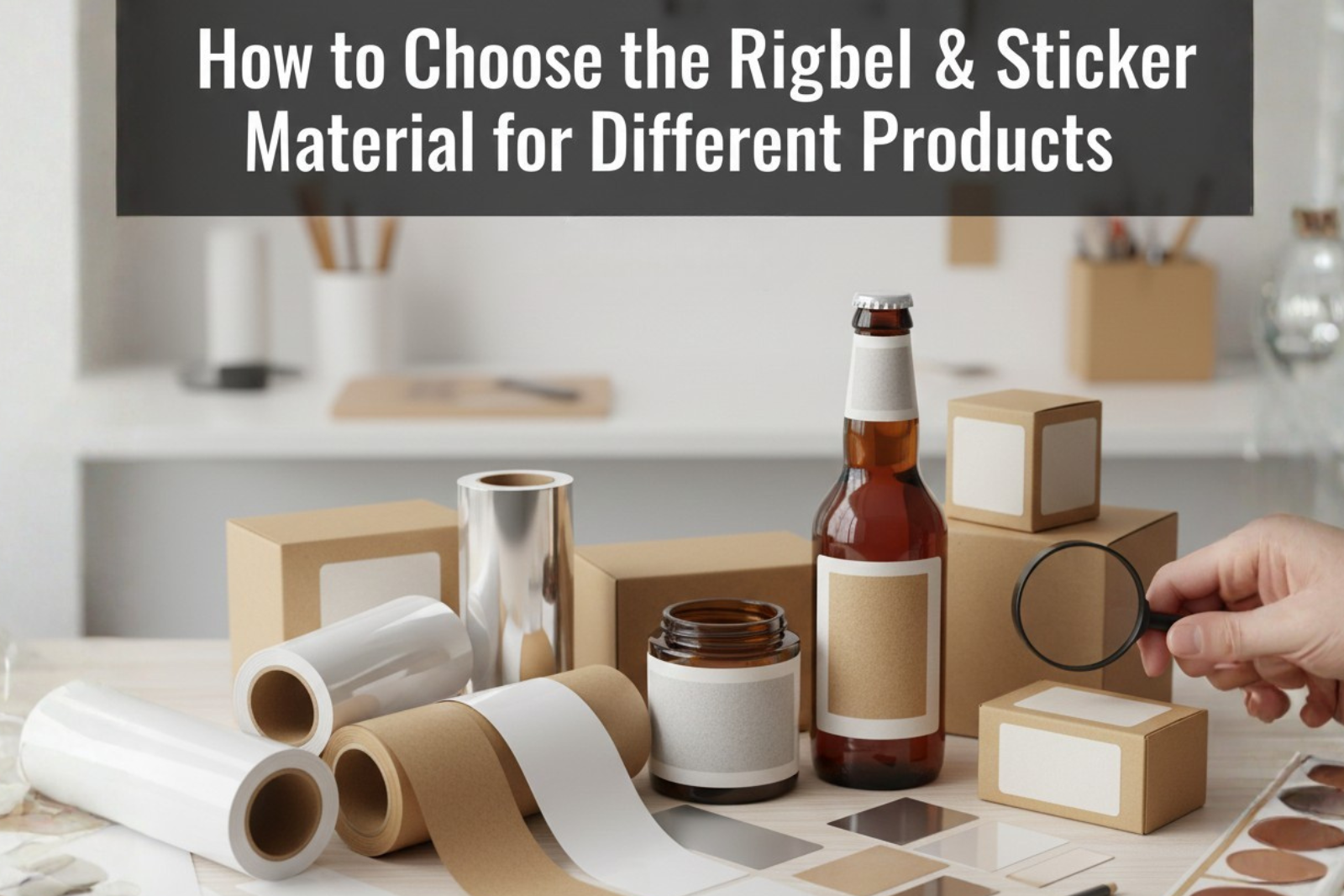
Choosing the right Label & Sticker material is not just a design decision, it directly affects durability, compliance, branding, and cost. Many businesses focus heavily on visual appeal but overlook material performance, which later results in peeling labels, smudged text, or product rejections.
Every product behaves differently based on how it is stored, transported, and used. That’s why selecting the correct label material should be a strategic decision, not an afterthought. This guide explains how to choose the right Label & Sticker material for different products, based on real-world use cases and common mistakes brands make.
Q.1 Is choosing the wrong label and sticker material a common cause of packaging failure?
Yes, incorrect label material selection is one of the most common reasons for peeling, fading, barcode issues, and compliance problems.
A label does more than display information. It protects brand identity, ensures regulatory compliance, and maintains product credibility. Poor material choice can lead to:
Whether you are using custom labels printing for branding or regulatory labeling, material selection determines how well the label performs throughout the product lifecycle.
The surface on which the label is applied plays a major role. Smooth glass, flexible plastic, metal, and cardboard all require different adhesive strengths and material flexibility.
For example, bottle label printing often requires materials that can conform to curved surfaces without lifting at the edges.
Labels exposed to heat, moisture, refrigeration, or chemicals must be selected carefully. A paper label may work for dry indoor storage but fail completely in cold or humid environments.
Understanding where and how your product will be stored is essential before finalizing a Label & Sticker material.
Industries like food, cosmetics, and pharmaceuticals have strict labeling requirements. The label must hold:
Material stability is critical to ensure information remains readable throughout the product’s shelf life.
Paper labels are widely used due to their affordability and print quality. They are ideal for products with controlled storage conditions.
Best suited for:
Limitations:
Paper labels are commonly used in food product label design, where cost control is important.
Film labels offer better durability and resistance compared to paper. They are commonly used for products exposed to moisture or frequent handling.
Best suited for:
Film materials perform well in roll label printing, especially for automated labeling machines.
Synthetic labels are designed for maximum durability. They resist tearing, moisture, chemicals, and temperature changes.
Best suited for:
Although more expensive, synthetic materials reduce long-term issues such as label failure and reprinting costs.
Food labels must remain intact in refrigerated or humid conditions. Adhesives should not fail due to condensation, and inks must remain legible.
For packaged foods, the right Label & Sticker material ensures compliance and brand trust.
Beverage containers often face moisture exposure, chilling, and handling. Bottle label printing typically requires film labels with strong adhesives to prevent edge lifting.
Material flexibility is also crucial for curved surfaces.
Cosmetic products are frequently handled and exposed to oils and moisture. Labels must maintain appearance while resisting smudging.
Premium finishes used in branding stickers require compatible materials that support embossing, foil, or lamination.
Pharmaceutical labels must meet strict compliance standards. Labels must:
Synthetic labels are often preferred to avoid compliance risks.
Stickers used for marketing need visual appeal and adhesion, but not always extreme durability. Custom logo stickers and promotional decals often use paper or film materials depending on usage duration.
Usually caused by:
Often linked to:
Caused by:
Proper material selection prevents these issues before production begins.
Choosing the most expensive material does not always mean better performance. Cost efficiency comes from selecting a material that meets performance needs without over-specification.
For example:
Smart Label & Sticker decisions balance durability, compliance, and budget.
Reliable printers guide brands through:
Professionals involved in custom labels printing help avoid mistakes that are expensive to fix after production.
Always request samples and test labels under real usage conditions before final approval.
Choosing the right Label & Sticker material is a technical decision that directly affects product performance, compliance, and brand perception. By understanding product requirements, environmental exposure, and material behavior, businesses can avoid common labeling failures and reduce long-term costs.
Strong labels don’t just look good, they perform reliably from production to the customer’s hands. Contact Us for more information.
Synthetic labels offer the highest durability for long-term and demanding applications.
Yes, paper labels work well for dry food products stored in controlled conditions.
Film labels are best for bottles due to moisture resistance and flexibility.
Lamination is not mandatory but improves durability and resistance to moisture and handling.
Selecting the right adhesive, testing materials, and proper application prevent peeling problems.