
16/03/2026




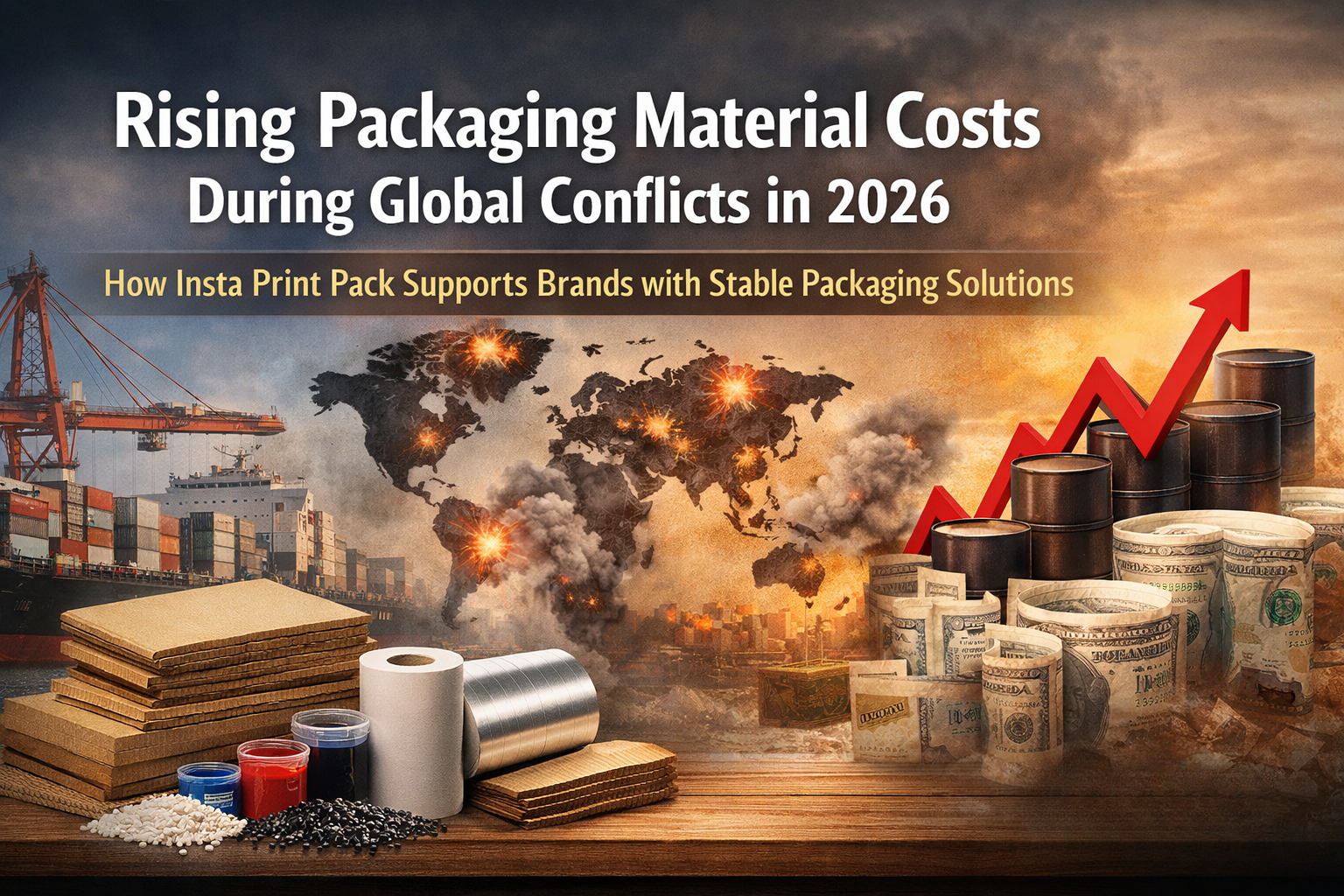
Over the past few years, global events have increasingly influenced manufacturing and supply chains across many industries. In 2026, rising geopolitical tensions, fluctuating energy prices, and disruptions in global trade routes are putting pressure on raw material availability. One sector that feels this impact quickly is packaging.
Materials such as paperboard, inks, polymers, adhesives, and coatings are directly affected by global supply shifts. As a result, brands in industries like cosmetics, pharmaceuticals, nutraceuticals, and food production are seeing noticeable increases in packaging costs.
For many businesses, this creates a difficult challenge. They must continue delivering high-quality products to the market while managing increasing operational expenses. This is where reliable packaging solutions and strong manufacturing partnerships become essential.
Yes. Global conflicts and supply chain disruptions can increase the cost of paperboard, polymers, inks, and other materials used in packaging production. These factors affect manufacturing costs, transportation, and raw material availability across the packaging industry.
Several interconnected factors are contributing to higher packaging costs worldwide.
Global conflicts often disrupt international shipping routes and trade networks. When transportation routes become unstable or delayed, packaging manufacturers may face longer lead times for materials like paperboard, aluminum foil, and specialty coatings.
This creates a ripple effect across the packaging supply chain, making it harder for brands to secure consistent packaging materials at stable prices.
Packaging manufacturing requires energy-intensive processes such as paper production, printing, lamination, and finishing. When energy prices rise globally, the cost of producing packaging materials also increases.
For example:
These cost pressures eventually impact brands' ordering of packaging.
Another major factor is the rising cost of essential materials used in folding carton packaging and other packaging formats.
Key materials affected include:
When these materials become more expensive, packaging manufacturers must adjust pricing structures to maintain production quality.
Increasing material costs can impact businesses in several ways.
Brands that rely on custom packaging must balance packaging quality with cost control. When packaging prices increase, companies may face pressure on product margins, especially in competitive retail environments.
If packaging materials become difficult to source, product launches may be delayed. This can affect marketing timelines, distribution schedules, and retail partnerships.
Startups and emerging brands often work with smaller budgets and production volumes. Rising packaging costs can make it harder for these companies to maintain consistent product presentation while scaling operations.
This is why working with experienced packaging manufacturers becomes crucial during uncertain market conditions.
While global market conditions can influence material prices, experienced packaging providers focus on strategies that help brands maintain stability and production efficiency.
One of the ways Insta Print Pack helps brands maintain reliable packaging solutions is through diversified sourcing of packaging materials. By maintaining relationships with multiple material suppliers, the company can reduce dependency on a single supply channel.
This helps brands access stable packaging materials even when global supply chains face disruptions.
Efficient manufacturing planning is another key factor. By optimizing production schedules and material usage, packaging manufacturers can reduce waste and improve cost efficiency.
Through optimized production workflows and advanced commercial printing services, Insta Print Pack helps brands maintain consistent packaging quality while controlling manufacturing costs.
Another challenge brands face during market fluctuations is scaling packaging production efficiently. A flexible manufacturing setup allows businesses to adjust production volumes based on demand.
Insta Print Pack supports companies with custom packaging solutions that can scale from smaller production batches to larger commercial runs without compromising quality.
Packaging design also plays an important role in cost management. In some cases, minor design adjustments can reduce material usage while maintaining the same product protection and visual impact.
For example:
These strategies help brands maintain high-quality packaging while managing rising material costs.
Another trend gaining attention in the packaging industry is sustainability. As brands respond to environmental concerns, many are adopting sustainable packaging solutions that reduce waste and improve recyclability.
Sustainable materials such as recyclable paperboard and eco-friendly inks can also help brands align with retailer requirements and consumer expectations.
When implemented correctly, sustainable packaging can also contribute to more efficient material usage, which becomes even more important during periods of rising material costs.
While global economic conditions may fluctuate, brands can take several steps to better manage packaging challenges.
Working with packaging partners early in the product development process allows companies to anticipate material requirements and avoid last-minute sourcing issues.
Efficient packaging structures can reduce unnecessary material use without compromising product protection.
Reliable packaging partners can provide insights into material availability, production planning, and cost optimization strategies.
Rising material costs and supply chain disruptions are becoming an important reality for businesses operating in global markets. From paperboard to printing inks, many factors influence the price and availability of packaging materials.
For brands in industries such as cosmetics, pharmaceuticals, and food production, maintaining consistent product presentation while managing these challenges requires reliable partners and adaptable strategies.
By focusing on efficient manufacturing processes, diversified material sourcing, and scalable packaging solutions, companies like Insta Print Pack help brands maintain stability even in uncertain market conditions. With the right packaging strategy, businesses can continue delivering high-quality products to the market while navigating the evolving landscape of global supply chains. For more information, Contact Us.
Packaging material costs are increasing due to supply chain disruptions, rising energy prices, and fluctuations in raw material availability.
Global conflicts can disrupt transportation routes and raw material supply, which may increase packaging production costs.
Common formats such as folding carton packaging, flexible packaging, and label materials can be affected when raw material prices rise.
Yes. Efficient packaging design can optimize material usage and reduce unnecessary production expenses.