
09/01/2026




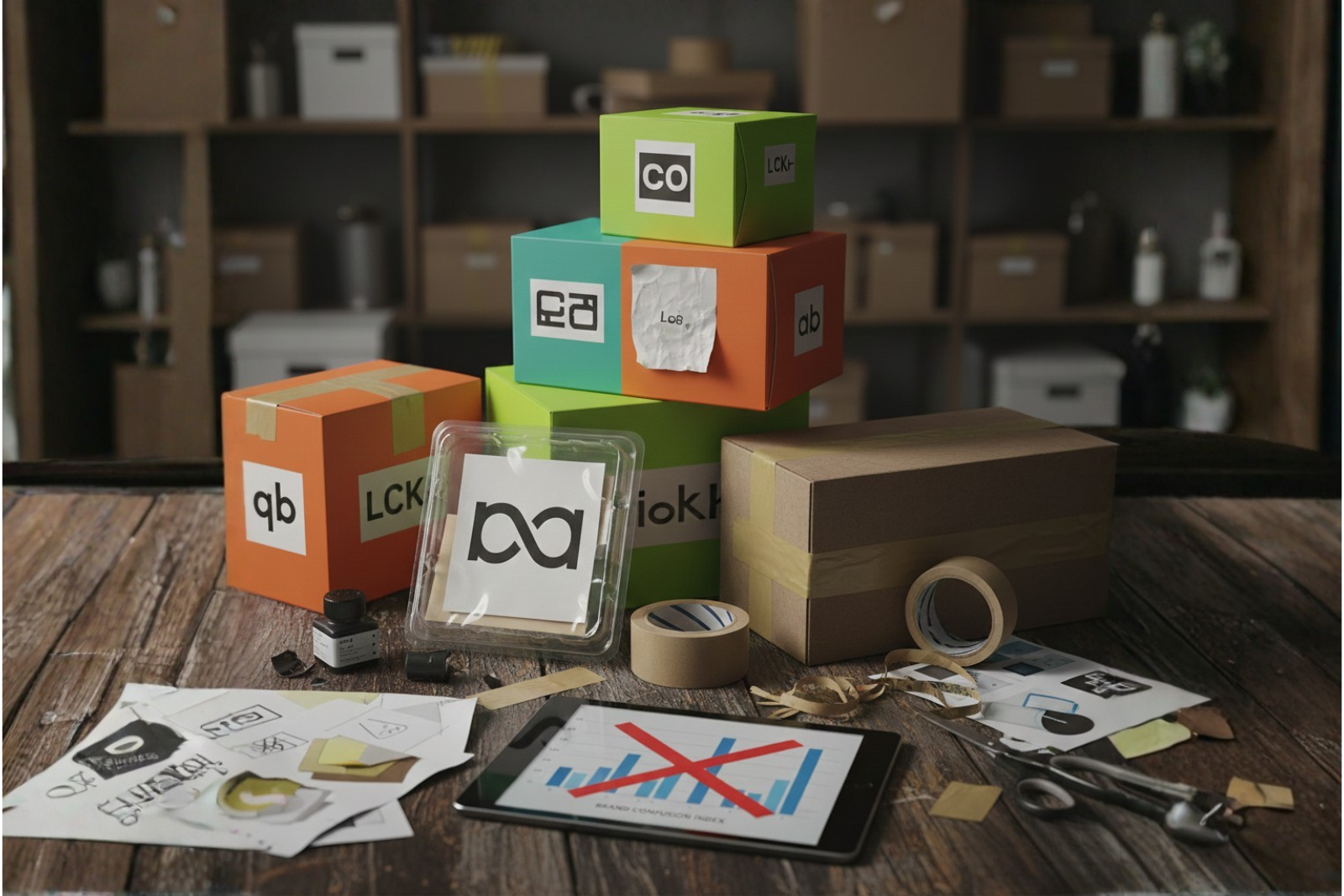
Branding doesn’t end with a logo or a color palette. For physical products, packaging is often the first real interaction a customer has with a brand. When branding and packaging are poorly aligned, even a good product can feel forgettable or untrustworthy.
Many brands invest heavily in marketing but overlook critical packaging details that quietly weaken product identity. These mistakes don’t always look obvious at first, but they affect customer perception, shelf impact, and long-term brand recall. This blog explains the most common Branding & Packaging mistakes and how brands can avoid them.
Q.1 Is poor packaging one of the main reasons brands struggle to build strong product identity?
Yes, weak packaging choices often dilute brand identity and reduce customer trust, even when the product itself is good.
Branding defines how a company wants to be perceived. Packaging is how that perception is delivered physically. When both are aligned, the product feels intentional and professional. When they aren’t, customers notice inconsistency, even if they can’t explain it clearly.
Packaging affects:
Strong Branding & Packaging ensures the product looks, feels, and performs the way the brand promises.
One of the most common branding mistakes is inconsistency. This includes:
When packaging lacks uniformity, customers struggle to recognize the brand, especially in crowded retail or online marketplaces.
Consistency builds familiarity. Without it, even repeat customers may fail to associate the product with the brand.
Cost control is important, but choosing packaging solely based on the lowest price often backfires. Cheap materials, poor finishes, or weak box structures can make a product look low quality.
This is especially damaging for brands positioning themselves as premium. A mismatch between product price and packaging quality creates distrust.
Brands aiming for premium positioning should evaluate premium packaging solutions that support their value proposition rather than undermine it.
Packaging materials and finishes communicate more than most brands realize. Matte, gloss, textured, or soft-touch finishes all send different signals to customers.
For example:
Using the wrong finish, or skipping finishes altogether, weakens brand impact. Well-executed lamination services improve durability while enhancing the overall look and feel of packaging.
Some brands focus too much on aesthetics and forget functionality. Overdesigned packaging can cause:
Good branding does not mean complex packaging. It means thoughtful design that balances appearance, usability, and protection.
Customers remember frustration just as much as beauty.
Even the best design fails if print execution is weak. Common print-related mistakes include:
Color inconsistency across batches damages brand recognition. Customers expect the same look every time they buy a product.
Working with an experienced packaging partner helps ensure consistent print quality and brand accuracy.
Packaging that works for one market may fail in another. Cultural preferences, purchasing behavior, and price sensitivity all influence how packaging is perceived.
Brands operating with a packaging company India must consider:
Ignoring market context leads to packaging that feels disconnected from its audience.
Packaging is a communication tool, not just a container. Many brands fail to clearly communicate:
Overloading packaging with text is just as harmful as providing too little information. Clear, focused messaging strengthens brand identity and builds trust.
Branding evolves, but many companies treat packaging as a one-time task. Over time, outdated packaging starts to feel irrelevant or inconsistent with the brand’s current positioning.
Regular packaging reviews help brands:
Packaging should grow with the brand, not lag behind it.
Avoiding mistakes is only half the solution. Strong branding requires deliberate packaging decisions.
Key practices include:
Brands that invest in thoughtful Branding & Packaging create products that feel cohesive, credible, and memorable.
A reliable packaging partner does more than manufacture boxes. They provide guidance on:
Choosing the right partner, especially a knowledgeable packaging company India, helps brands avoid costly mistakes and maintain strong brand identity at scale.
Packaging plays a silent but powerful role in shaping how a brand is perceived. Small mistakes in material, finish, or consistency can quietly weaken product identity, even when everything else is done right.
By avoiding common branding and packaging mistakes and focusing on alignment, quality, and execution, brands can create packaging that reinforces trust, improves recognition, and supports long-term growth.
Strong brands are built not just through marketing, but through packaging that consistently delivers on the brand promise. Contact Us for more information.
It ensures the product looks consistent, trustworthy, and recognizable to customers.
Yes, packaging strongly influences perceived quality and purchase decisions.
Premium brands should use packaging that reflects their positioning, but it must also be practical.
Lamination enhances durability, protects print quality, and improves visual appeal.
Yes, periodic updates help maintain relevance and improve performance.